Exposed Aggregate Too Rough? We Can Fix That
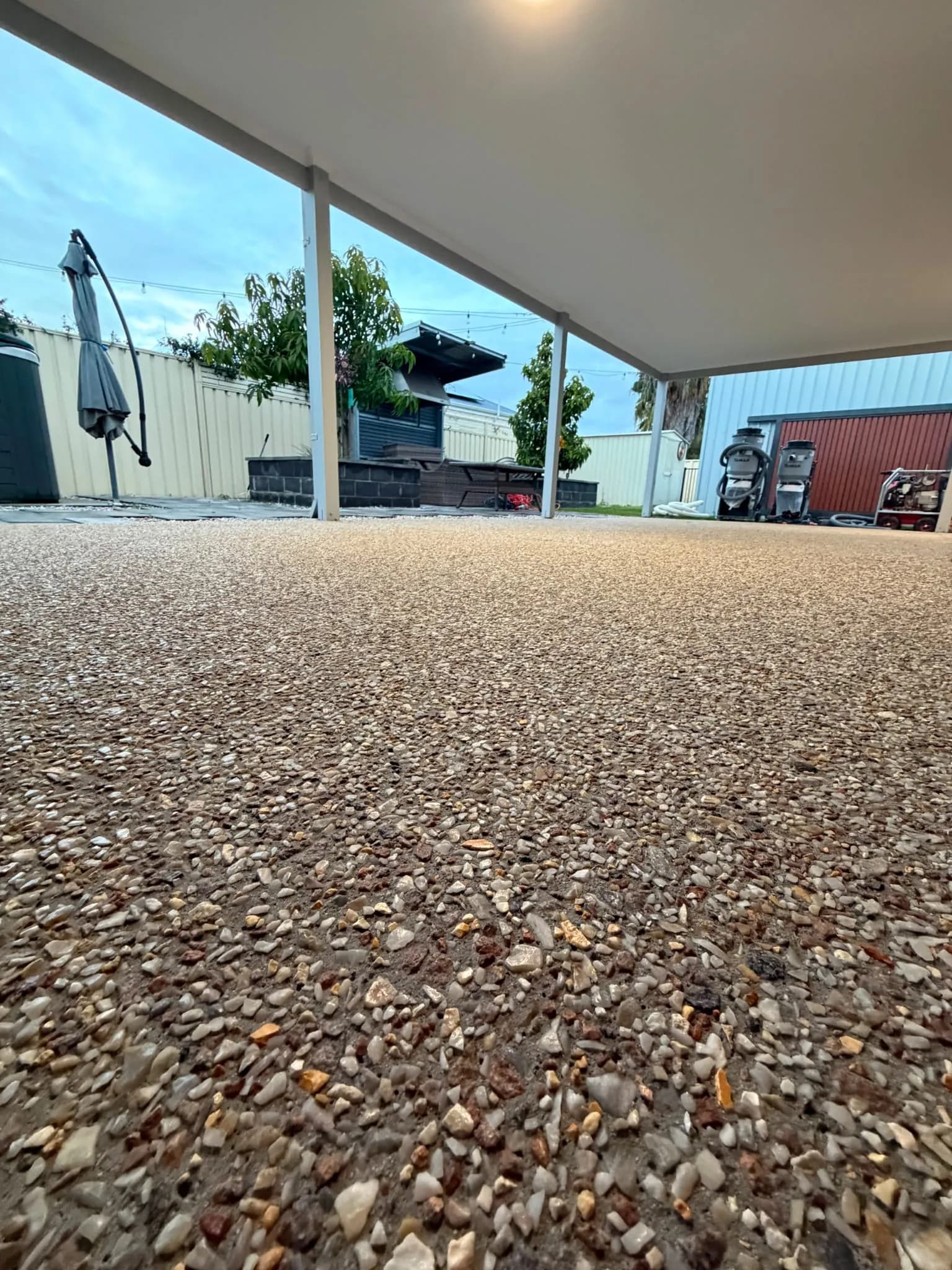 Before honing
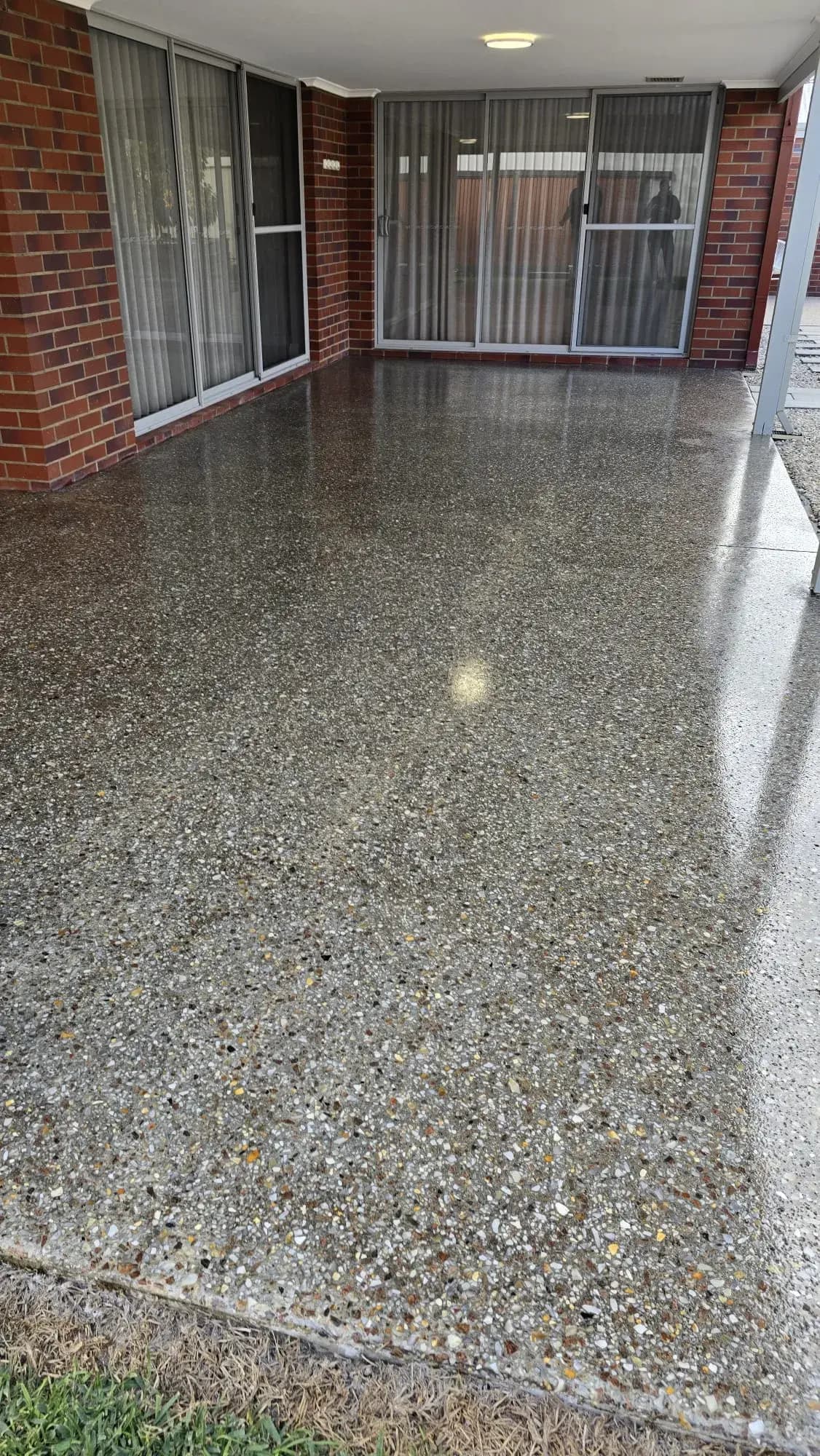 After honing
If your exposed aggregate is killing your feet, you almost certainly don't need a new slab. This comes up constantly and most homeowners have no idea it's an option: existing washed aggregate can be mechanically honed and sealed. You don't have to demolish perfectly good concrete. Same old slab, completely different surface.
I've been finishing concrete in WA for years and this is one of the most satisfying jobs we do, because the before and after is so stark. People who were about to spend a fortune ripping out their alfresco end up with a surface they actually want to walk on, for a fraction of the cost and in a couple of days rather than weeks.
Why so many Perth slabs end up like this
Exposed aggregate is the cheap option up front. Pour it, spray a retarder, wash the cream off while it's still green, done. No grinding, no extra passes, and it goes down fast. That's exactly why it's been the default for Perth driveways, paths and alfrescos for decades.
Then you actually live on it. Alfresco areas and pool surrounds are where I see the problem most, because that's where everyone is barefoot every weekend all summer. The kids won't run on it, the dog won't cross it, and if someone goes down on it it's like landing on a cheese grater. The slab is perfectly sound. It's just brutal to be on.
What honing actually does to the surface
Honing is a controlled diamond grind. We cut the sharp tops off the stones so the surface sits flat and smooth underfoot, then refine it through progressively finer tooling and seal it. The texture goes from jagged peaks to an even, comfortable surface you can stand on all day.
Now the question everyone asks: doesn't smooth mean slippery? No. Smooth and slippery are two different things. Finished properly, honed concrete keeps plenty of outdoor grip, and we can target P4 to P5 slip ratings for wet barefoot zones like pool surrounds. That's the whole reason we recommend it around water instead of a polished finish.
And to be clear, honing is not polishing. Polishing keeps going through much finer grits to build a sheen, and it belongs indoors. Honing stops at a refined matte surface built for the outdoors. You're refining the surface, not turning the backyard into a shopping centre floor.
The part nobody expects: the colour
Here's what sells this job better than anything I can say. Grinding cuts the faces of the stones open, which brings out colour, depth and detail that has been buried in that slab since the day it was poured. Greys, golds, quartz sparkle, the lot. Most people have never seen what's actually in their own concrete.
Seal it and the difference is dramatic. Customers regularly tell me the honed slab looks better than the day it was laid, and it's the same concrete they were three days away from demolishing.
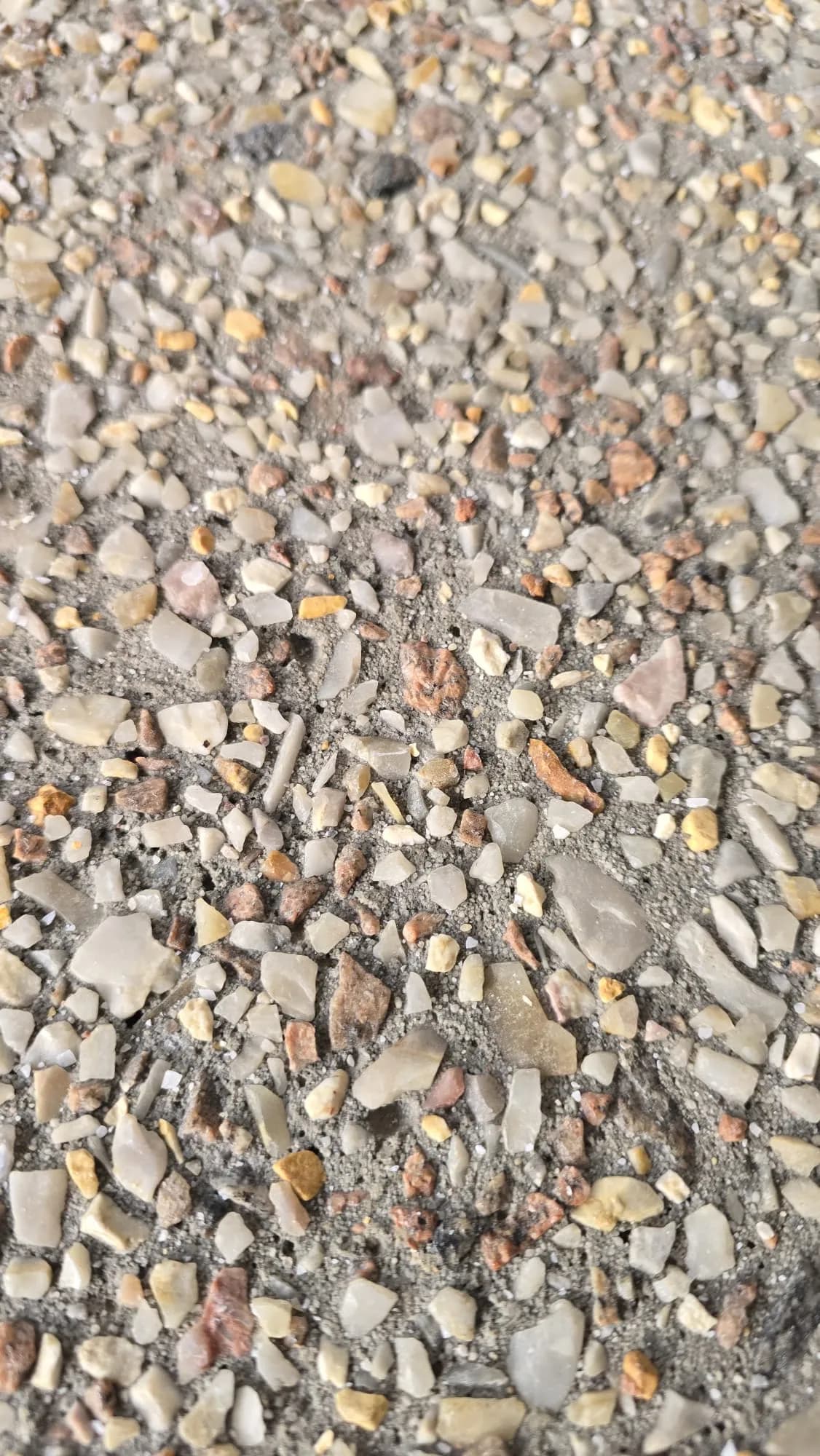 Before honing
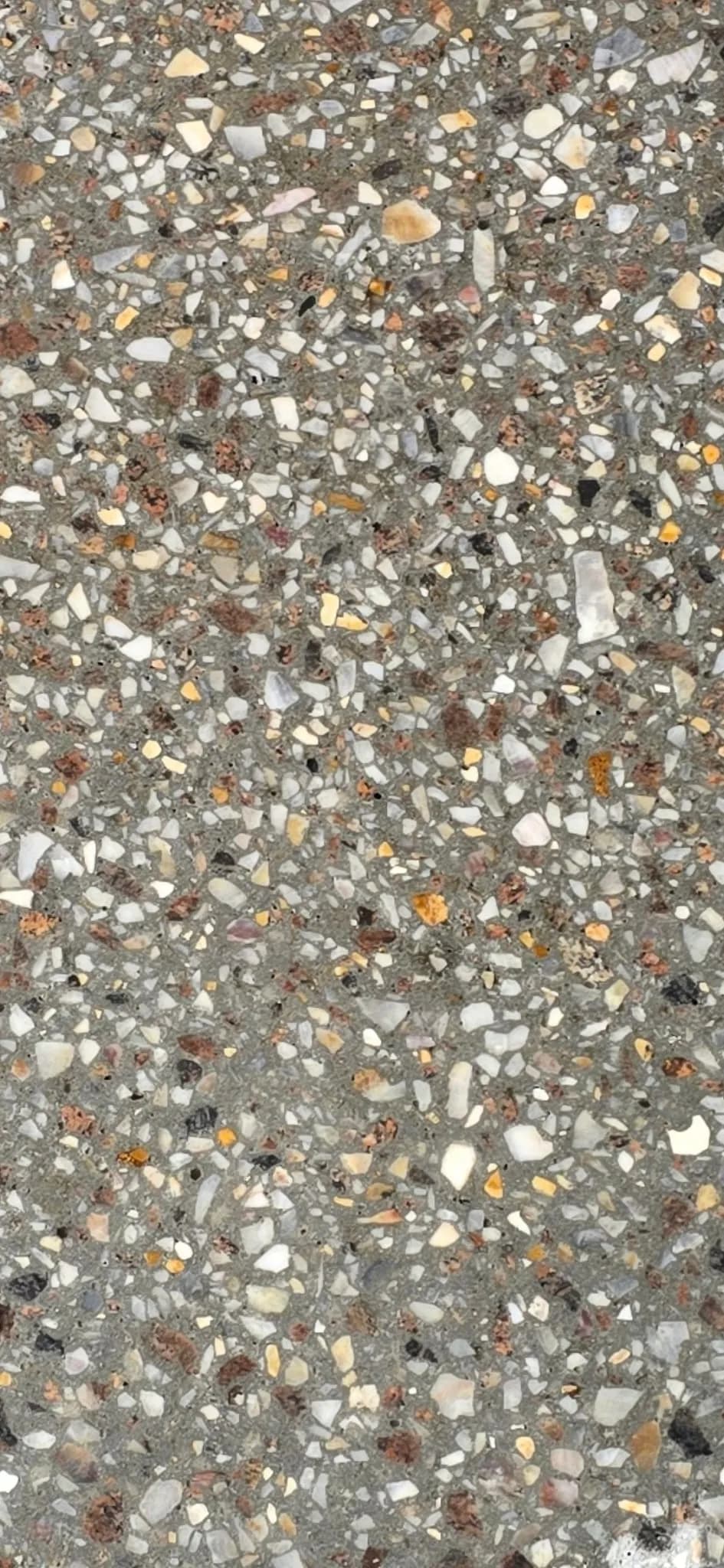 After honing
Send me a photo and I'll tell you straight
I can usually tell from a picture whether a slab will hone well. Send a photo and rough measurements and you'll get a fixed written price, no obligation and no hard sell.
What it costs in Perth
Honing existing washed aggregate runs about $90 to $100 per square metre, normally including sealing. The price moves with a handful of things:
- Total area, since bigger jobs earn a better rate per m²
- Access and side gate width, because the machines have to get in
- Steps, edges and detail work that need hand grinding
- How hard the aggregate is
- The condition of the slab, including any repairs
Worth knowing why honing existing aggregate costs more than honing a slab that was poured for it. It's what you're cutting. On washed aggregate you go straight into quartz and hard stone from the very first pass. It's slower and it chews through diamond tooling. A slab poured to be honed from day one runs closer to $80/m² for the honing and sealing.
Either way, honing is the expensive part of the process. Washing the cream off is the shortcut, which is exactly why most people take washed aggregate first and end up here later. Set that against the cost of demolition, removal, a new pour and weeks of disruption, and honing wins comfortably.
Choosing your sealer
You've got two realistic options, and it genuinely changes the look:
- Topical UV-resistant sealer. The strongest colour enhancement with a wet look. Needs redoing every few years depending on sun and traffic.
- Penetrating sealer. Soaks in, lower maintenance and a natural finish, but it does very little for the colour.
My honest recommendation is topical. The colour is half the reason to hone in the first place, and it feels like a waste to do all that work and not see it. Whichever way you lean, get a sample patch done before you commit. We'll do one so you're looking at your actual slab, not a brochure.
Is your slab a good candidate?
Most are. If the slab is structurally sound and the only real problem is that it's too rough, honing beats demolition every time: cheaper, faster, far less mess, and it usually looks better than the original.
But not every slab suits it, and I'd rather say so up front. If the aggregate was laid too shallow there isn't enough stone to cut into. A slab that's badly out of level will hone unevenly. Serious structural cracking needs sorting first, which is covered on our concrete repair page. We assess all of that before quoting, and we'll tell you honestly if it isn't worth doing.
What the job actually looks like
We turn up, protect the surrounding areas and set up dust extraction. The slab gets its first cut with coarse diamonds to knock the stone tops off, then progressively finer passes to refine the surface. Edges, steps and tight corners are done by hand so the whole area matches, not just the open middle. Once it's clean and dry, the sealer goes on.
Most residential alfrescos and pool surrounds are finished within a couple of days. You get exact cure times at handover so nothing gets marked while it's still green. The same grinding and preparation discipline sits behind every finish we install.
So, is it worth it?
If you've got a sound slab that's too rough to enjoy, this is the easiest win in concrete. You keep the concrete you already paid for, you skip the demolition and the mess, you get a surface the kids and the dog will actually use, and you uncover colour that's been hiding in there for years. It's the job customers thank us for most.
We hone and seal exposed aggregate right across the Perth metro area, including Scarborough, Mindarie, Balcatta and Willetton. There's more detail on the process and finish options on our honed concrete in Perth page, and if you're still weighing up finishes, our honed vs polished vs exposed aggregate guide breaks down the differences.
Stop avoiding your own alfresco
Send a photo of your slab with rough measurements and I'll tell you whether honing will work and what it'll cost. Fixed written quote, no obligation, and I'll tell you if a cheaper option will do the job.
Frequently asked questions
Can existing exposed aggregate really be honed?
Yes. As long as the slab is structurally sound and the aggregate sits deep enough, we grind the sharp tops off the stones and seal the surface. You keep the slab you already have and end up with a completely different surface underfoot. It's one of the most common jobs we do across Perth.
How much does honing exposed aggregate cost in Perth?
Honing existing washed aggregate runs about $90 to $100 per square metre, normally including sealing. The price moves with total area, access and side gate width, the amount of step and edge work needing hand grinding, how hard the aggregate is, and the condition of the slab. We confirm it with a fixed written quote after looking at the job.
Will honed concrete be slippery around my pool?
No, and this is the question we get most. Smooth is not the same as slippery. Honed concrete is finished and sealed to hold genuine outdoor grip, and we can target P4 to P5 slip ratings for wet, barefoot areas like pool surrounds. It's the finish we recommend around water.
How long does the job take?
Most residential alfrescos and pool surrounds are ground, sealed and finished within a couple of days depending on size, access and the sealer chosen. We give you exact cure times at handover so nothing gets marked while it's still green.
Is honing the same as polishing?
No. Polishing keeps going through much finer grits to build a sheen, and it belongs indoors. Honing stops at a refined matte surface built for outdoor use. You're refining the surface, not turning the backyard into a shopping centre floor.
What if my slab isn't suitable?
We'll tell you straight. If the aggregate was laid too shallow there isn't enough stone to cut into, and a slab that's badly out of level will hone unevenly. We assess it before quoting and we'd rather turn a job down than take your money for a finish that won't work.