Concrete Surface Profile (CSP) Explained: Why Coatings Peel
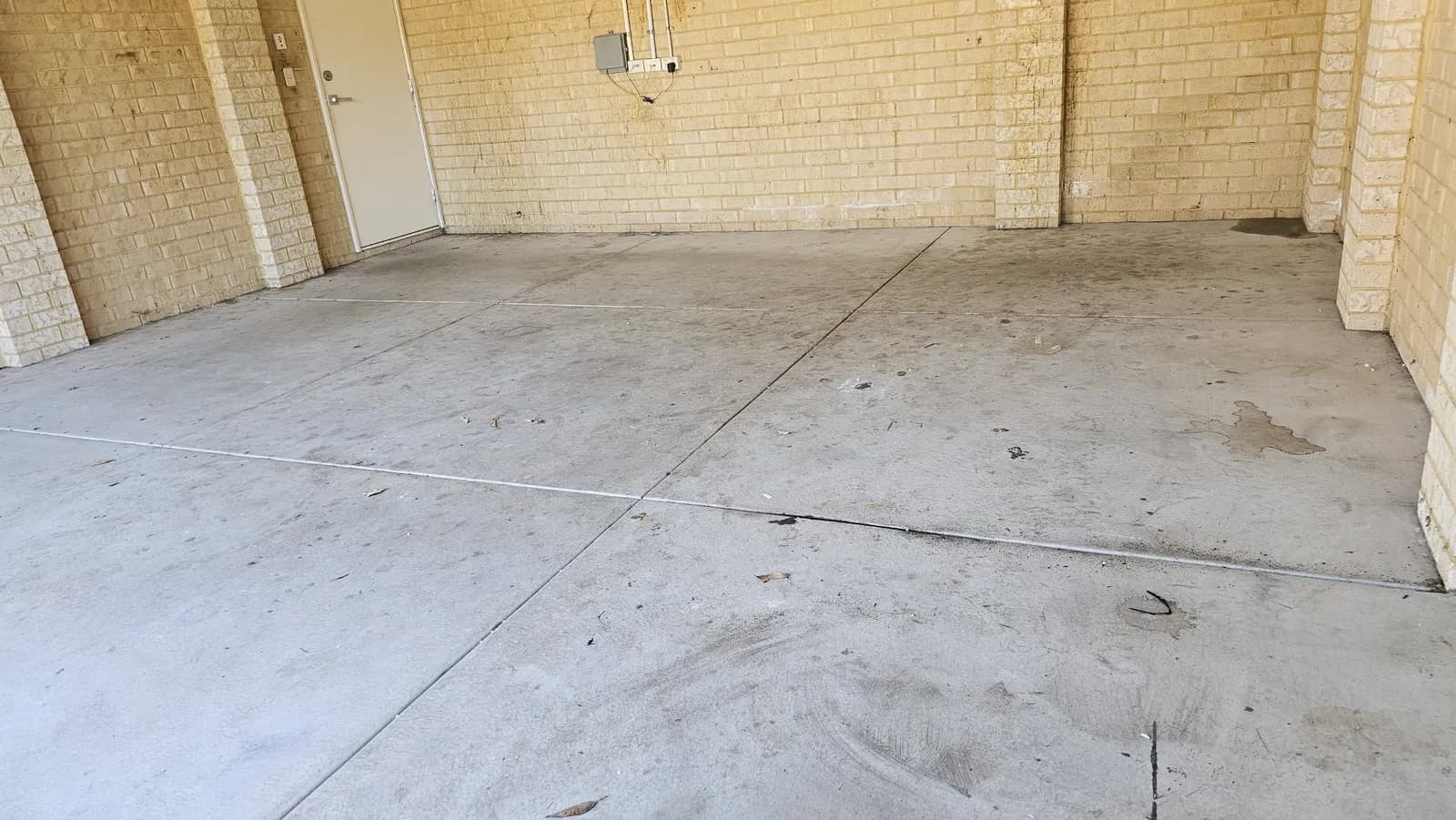 Before
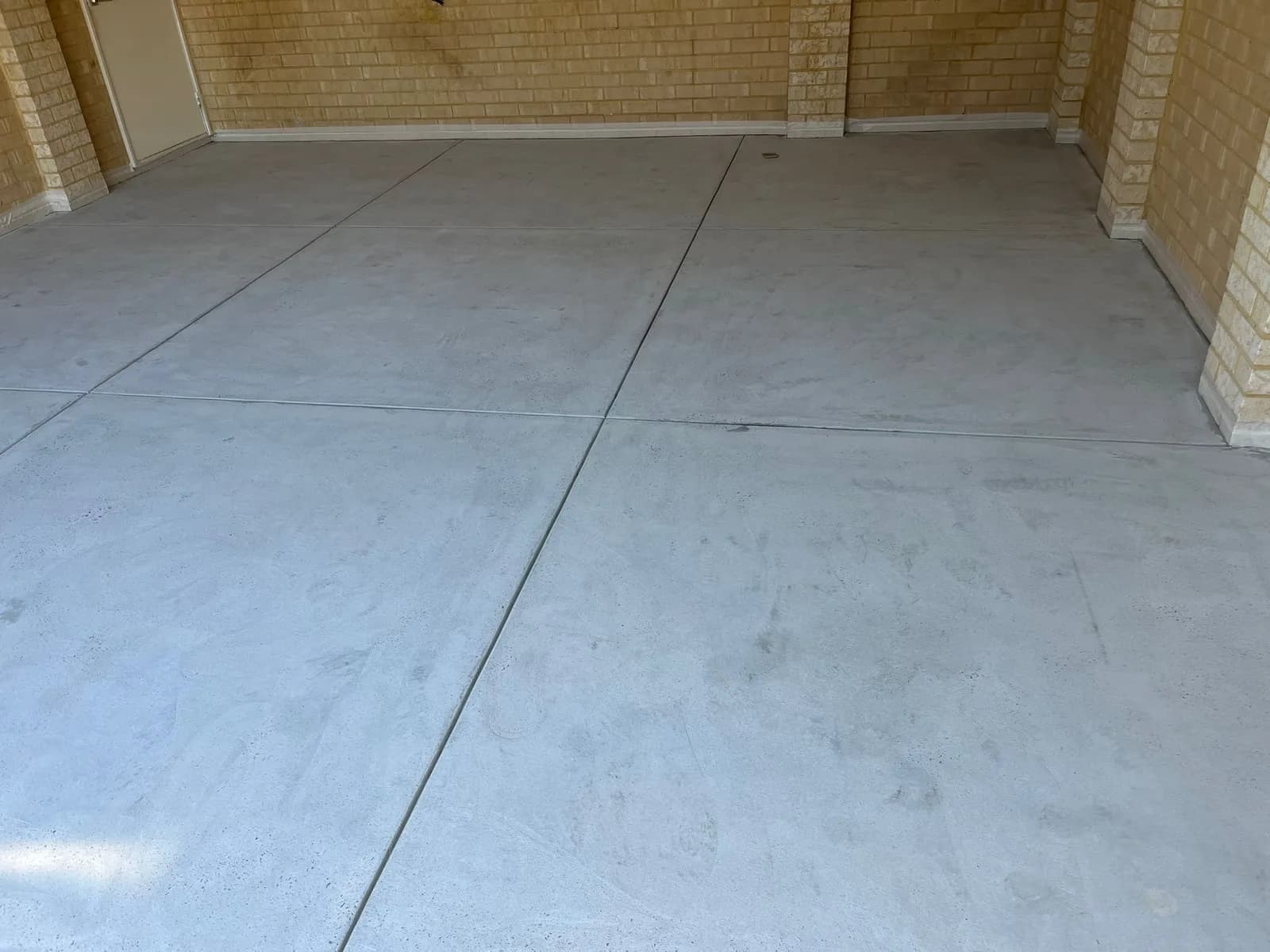 After
AfterConcrete Surface Profile, or CSP, is the single biggest reason a floor coating either sticks for years or peels within months, and almost nobody outside the trade has heard of it. If you're paying for epoxy, flake, polished concrete or a sealer, it's worth understanding, because it's the difference between a floor that lasts and an expensive redo.
What is Concrete Surface Profile?
CSP is the standard measure of how rough a prepared concrete surface is. It was set by the International Concrete Repair Institute (ICRI), which defines a scale from CSP 1, almost smooth, up to CSP 9, very coarse and heavily textured. Each number corresponds to a physical reference profile, so when a coating manufacturer specifies a CSP, everyone in the trade knows exactly how rough the slab needs to be.
Why it decides whether your coating peels
Coatings don't glue to smooth concrete, they mechanically key into it. The tiny peaks and valleys of a profiled surface give the epoxy, primer or sealer something to grip. Too smooth and there's nothing to hold on to, so the coating lets go. Too coarse for a thin coating and you get pinholes and an uneven finish. Matching the profile to the system is the whole game, and it's why proper preparation is most of what you're paying a professional for.
Which profile suits which floor
The coating manufacturer's data sheet always has the final say, but as a general guide:
- CSP 1 to CSP 2: thin sealers and penetrating sealers.
- CSP 2 to CSP 3: epoxy and flake floor systems, the most common residential and garage profile.
- CSP 4 to CSP 5: high-build coatings, self-levelling systems and heavier repair work.
This is exactly why we test the slab and choose the tooling to hit a specific number rather than guessing, on every concrete grinding and prep job.
How the profile is achieved (and why we grind, not etch)
We create the profile with mechanical diamond grinding. It's consistent, it removes old coatings and contamination at the same time, and it lets us dial the roughness to the exact CSP the system needs. Acid etching, the common DIY shortcut, can't do any of that reliably. It's uneven, leaves residue that can stop a coating bonding, and won't touch an existing coating, which is why manufacturers specify mechanical preparation for their warranties.
How to tell if yours was done wrong
The tell-tale signs of a profile problem show up as peeling edges, flaking patches, coatings you can lift with a scraper, or a floor that delaminates in sheets. When we're asked to fix a failed floor, the fix is usually the same: grind the old coating off, profile the slab correctly this time, and re-coat. It's the honing and hone-and-seal and coating work that all depends on getting this first step right.
Want the profile done properly?
Whether it's a fresh floor or a failed coating that needs redoing, we grind Perth slabs to the CSP your system actually requires. Send a photo and we'll take a look.
Frequently asked questions
What CSP do I need for an epoxy floor?
As a general guide, epoxy and flake floor systems want a CSP 2 to CSP 3 profile. Thin sealers can sit on a lighter CSP 1 to CSP 2, and high-build or self-levelling systems need a coarser CSP 4 to CSP 5. The coating manufacturer's data sheet is always the final word, and we grind to whatever it specifies.
Is acid etching a good enough profile?
For a professional floor, no. Acid etching is inconsistent, can leave residue that stops coatings bonding, and doesn't remove existing coatings. Mechanical diamond grinding is the reliable, manufacturer-recommended way to reach a consistent CSP and a clean surface.
My epoxy floor is peeling. Was the CSP wrong?
Very often, yes. Peeling and flaking usually trace back to a slab that was under-profiled, contaminated or not cleaned properly before coating, or one with a moisture problem. We grind the failed coating off, profile the slab correctly and re-coat, so the new floor actually bonds.